Descripción:
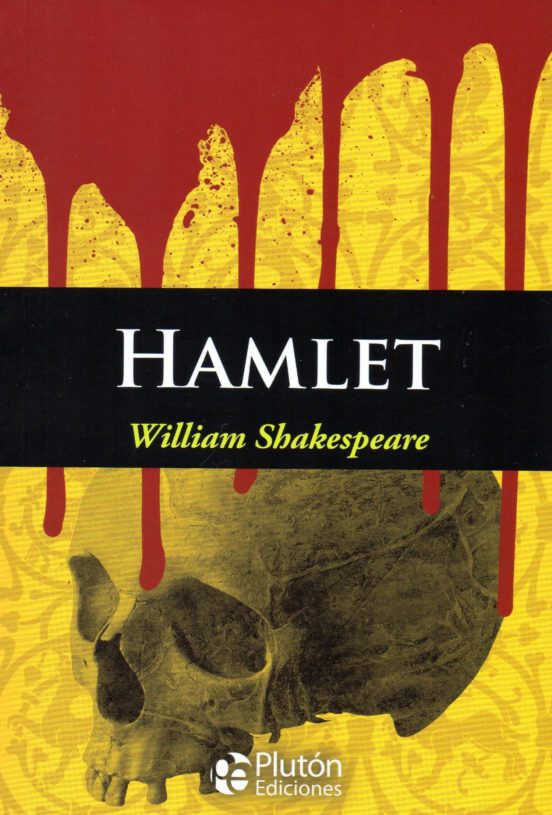
Hamlet, Written Between 1599 And 1602, Stands As One Of William Shakespeare’s Greatest Achievements And One Of The Cornerstones Of World Literature. A Tragedy Set In Denmark, The Play Explores Themes Of Revenge, Madness, Moral Corruption, Betrayal, And Existential Despair Through The Complex Psyche Of Prince Hamlet, One Of The Most Compelling And Psychologically Rich Characters Ever Created On Stage. Shakespeare Intertwines Philosophical Reflection With Intense Drama, Giving Shape To A Story That Transcends Time And Continues To Challenge Readers And Audiences With Its Ambiguity And Emotional Depth.
The Action Begins At Elsinore Castle In Denmark. The Atmosphere Is One Of Unease And Fear: Guards Have Reported Seeing The Ghost Of The Recently Deceased King Hamlet Wandering On The Battlements At Night. This Opening Scene Establishes Both The Eerie Mood And The Underlying Political Instability Of The Kingdom. Denmark Is Preparing For Possible War With Norway, Whose Young Prince, Fortinbras, Seeks To Reclaim Lands Lost By His Father To The Late King Hamlet. The Sighting Of The Ghost Suggests That Something Is Deeply Wrong—“something Is Rotten In The State Of Denmark.”
Horatio, Hamlet’s Loyal Friend, Accompanies The Guards To Witness The Apparition. When The Ghost Appears, He Resembles The Dead King In Full Armor, And Horatio Decides To Inform Prince Hamlet, Believing That The Spirit May Reveal Some Secret Known Only To The Son. This Decision Sets In Motion The Tragic Events That Follow.
At Court, Claudius, The New King, Delivers A Speech To His Courtiers. He Has Recently Married Queen Gertrude, The Widow Of His Brother, Only A Short Time After The Old King’s Death. Claudius Projects The Image Of A Capable And Conciliatory Ruler, Addressing Both The Nation’s Mourning And Its Need To Move Forward. He Dispatches Ambassadors To Norway To Restrain Fortinbras’s Aggression And Grants Laertes Permission To Return To France. Claudius Then Turns To Hamlet, Who Remains Dressed In Mourning Black And Is Visibly Distressed. The New King Advises Him To Set Aside His Grief, Calling It “unmanly,” And To Accept Him As Both Uncle And Father. Hamlet, However, Feels Alienated And Disgusted By His Mother’s Hasty Remarriage. His First Soliloquy—“o That This Too Too Solid Flesh Would Melt”—reveals His Inner Torment And Suicidal Despair. He Laments The Corruption Of The World And His Mother’s Apparent Weakness, Describing Her Union With Claudius As Incestuous And Morally Repulsive.
Shortly Thereafter, Horatio And The Guards Tell Hamlet About The Ghost. Intrigued And Anxious, Hamlet Decides To Meet It That Very Night. When The Spirit Appears To Him, It Speaks: It Is Indeed The Ghost Of His Father, Doomed To Wander The Earth Until His Sins Are Purged. The Ghost Claims That He Was Murdered By Claudius, Who Poured Poison Into His Ear While He Slept. He Demands That Hamlet Avenge This “foul And Most Unnatural Murder,” But Instructs Him Not To Harm His Mother. Hamlet Is Shaken To The Core. He Swears To Remember His Father’s Command And To Feign Madness—“to Put An Antic Disposition On”—in Order To Conceal His Intentions While He Seeks Proof Of Claudius’s Guilt.
From This Moment, The Play Becomes A Psychological Drama As Much As A Political Or Moral One. Hamlet’s Mind Oscillates Between Reason And Passion, Action And Paralysis. His Assumed Madness Serves Both As A Disguise And As An Expression Of His Inner Conflict. Others, However, Interpret His Strange Behavior According To Their Own Motives. Polonius, The Verbose And Meddlesome Royal Advisor, Believes That Hamlet Is Mad With Love For His Daughter Ophelia. Polonius’s Analysis, Though Mistaken, Drives Much Of The Intrigue In The Following Acts.
Ophelia Herself Becomes A Tragic Figure In The Play. Obedient To Her Father And Brother Laertes, She Has Been Warned To Avoid Hamlet’s Affections, As They Might Be Fleeting Or Politically Dangerous. When Hamlet Begins To Act Erratically, Ophelia Is Confused And Terrified By His Rejection And Verbal Cruelty. Her Pain Mirrors Hamlet’s Own Spiritual Disintegration, And Her Later Descent Into Madness Parallels His Feigned One, Yet With Fatal Consequences.
Claudius And Gertrude Summon Hamlet’s University Friends, Rosencrantz And Guildenstern, To Spy On Him And Discover The Cause Of His Melancholy. Hamlet Quickly Perceives Their Betrayal, Exposing His Growing Distrust Of Everyone Around Him. Meanwhile, Polonius And Claudius Stage A Meeting Between Hamlet And Ophelia To Observe His Behavior. Hamlet’s Famous “to Be, Or Not To Be” Soliloquy Precedes This Encounter, Marking One Of The Most Profound Meditations On Existence In All Of Literature. In Contemplating Suicide, Hamlet Weighs The Pain Of Life Against The Fear Of The Unknown After Death. His Conclusion—“thus Conscience Does Make Cowards Of Us All”—reveals The Central Conflict Of The Play: Thought Inhibits Action.
When Hamlet Confronts Ophelia, He Denies His Love And Berates Her With Cruel Sarcasm, Urging Her To “get Thee To A Nunnery.” Claudius, Observing From Hiding, Concludes That Hamlet’s Madness Is Not Due To Love But To Some Deeper, More Dangerous Cause. He Begins To Fear That Hamlet Poses A Threat To His Throne.
The Arrival Of A Group Of Traveling Actors Provides Hamlet With A Means To Test The Ghost’s Accusation. He Arranges For Them To Perform The Murder Of Gonzago, Inserting Lines That Mirror The Supposed Manner Of His Father’s Murder. Hamlet Tells Horatio To Observe Claudius’s Reaction During The Play, Believing That Guilt Will Reveal Itself Through The King’s Expression. As The Performance Unfolds, Claudius Becomes Visibly Agitated And Abruptly Leaves The Room—confirmation Enough For Hamlet. Yet Even With This Evidence, Hamlet Hesitates To Act Immediately. His Next Soliloquy, Beginning “’tis Now The Very Witching Time Of Night,” Shows His Internal Struggle Between Moral Restraint And Vengeful Rage.
In The Next Scene, Claudius, Tormented By Guilt, Attempts To Pray For Forgiveness. Hamlet Finds Him Alone And Defenseless But Refrains From Killing Him, Reasoning That To Murder Claudius While Praying Might Send His Soul To Heaven, Whereas The Ghost Had Been Damned. This Moment Exemplifies Hamlet’s Tragic Indecision: In Overthinking The Moral Implications, He Postpones The Act Of Revenge Once Again.
When Hamlet Goes To Confront His Mother In Her Chamber, The Play Reaches One Of Its Most Dramatic And Psychologically Intense Moments. Hidden Behind A Curtain, Polonius Spies On Their Conversation. In A Burst Of Anger, Hamlet Stabs Through The Arras, Killing Polonius, Believing Him To Be Claudius. The Death Of Polonius Marks A Turning Point: Hamlet Has Now Shed Blood, Though Not That Of His Intended Target. Gertrude, Horrified, Faces Her Son’s Wrath As He Accuses Her Of Lust And Moral Blindness. The Ghost Appears Once More, Visible Only To Hamlet, Reminding Him Of His Purpose And Urging Compassion For His Mother. Gertrude, Unable To See The Apparition, Interprets Hamlet’s Words As Madness. After This Confrontation, Hamlet’s Fate Is Sealed. Claudius Sends Him To England Under The Pretext Of Diplomacy, But In Truth, He Has Arranged For Hamlet’s Execution.
Rosencrantz And Guildenstern Accompany Him, Bearing Secret Letters That Order Hamlet’s Death. However, Hamlet Discovers The Plot During The Voyage And Rewrites The Letters, Condemning His Former Friends Instead. He Escapes And Returns To Denmark, Transformed By His Near-death Experience And His Reflections On Fate. In A Key Moment, He Encounters A Gravedigger Preparing Ophelia’s Grave. The Famous “alas, Poor Yorick!” Scene Follows, In Which Hamlet Contemplates Mortality As He Holds The Skull Of The Court Jester He Once Knew. Death, He Realizes, Is The Great Equalizer That Renders Ambition, Power, And Beauty Meaningless.
Meanwhile, Ophelia’s Grief Over Her Father’s Death And Hamlet’s Cruelty Drives Her To Madness. She Sings Disjointed Songs Of Love And Sorrow Before Drowning In What Is Ambiguously Described As An Accident Or Suicide. Laertes, Furious And Heartbroken, Returns From France Demanding Revenge. Claudius Seizes The Opportunity To Manipulate Him, Arranging A Fencing Match Between Laertes And Hamlet. Secretly, Laertes Prepares A Poisoned Sword, While Claudius Poisons A Cup Of Wine As An Additional Safeguard.
The Final Act Unfolds In The Graveyard, Where Hamlet And Horatio Witness Ophelia’s Burial. When Laertes Leaps Into The Grave In Despair, Hamlet Reveals Himself, And The Two Grapple In Raw Grief And Rage. Later, Hamlet Confides To Horatio That He Now Accepts A Kind Of Divine Providence Guiding Human Events—“there’s A Divinity That Shapes Our Ends.” This Newfound Acceptance Gives Him A Fatalistic Calm As He Prepares For The Duel.
During The Fencing Match, Hamlet Scores The First Hit, And Gertrude Accidentally Drinks The Poisoned Wine Meant For Her Son. Laertes Wounds Hamlet With The Envenomed Blade, But In The Scuffle, Their Swords Are Exchanged, And Hamlet Stabs Laertes In Return. As Both Men Realize They Are Dying, Laertes Confesses The Treachery And Seeks Forgiveness. Hamlet, Enraged And Mortally Wounded, Finally Kills Claudius By Stabbing Him And Forcing Him To Drink The Poison. Gertrude, Laertes, Claudius, And Hamlet All Die Within Moments Of One Another, Leaving Horatio To Mourn And Tell The Story. Fortinbras Of Norway Enters To Find The Danish Royal Family Destroyed, And He Claims The Throne, Restoring Order At A Terrible Cost.
Themes And Analysis
At Its Core, Hamlet Is A Study Of The Human Condition—the Tension Between Thought And Action, Morality And Corruption, Life And Death. Hamlet’s Famous Indecision Is Not Mere Weakness But A Profound Philosophical Dilemma. His Intellect And Conscience Prevent Him From Committing Murder, Even When Justice Seems To Demand It. In Questioning The Morality Of Revenge, Hamlet Anticipates Modern Existential Concerns: How Can One Act Ethically In A World Tainted By Deceit? Is There Certainty In Anything—truth, Justice, Or Even One’s Own Perception?
The Motif Of Appearance Versus Reality Runs Throughout The Play. Almost Every Character Wears A Mask Of Deceit: Claudius Hides His Guilt Behind The Façade Of A Competent Monarch; Polonius Spies In The Name Of Loyalty; Rosencrantz And Guildenstern Pretend Friendship While Serving The King. Hamlet Himself Adopts The Guise Of Madness, Blurring The Line Between Sanity And Insanity. This Pervasive Duplicity Reflects The Rottenness Of Denmark’s Moral State And, By Extension, The Fragility Of Human Integrity.
Death Pervades The Entire Work. From The Ghost’s First Appearance To The Final Carnage, Mortality Is Omnipresent. Yet Shakespeare Uses It Not Merely For Shock Or Tragedy But As A Vehicle For Philosophical Reflection. Hamlet’s Encounters With Death—the Corpse Of Polonius, Ophelia’s Drowning, Yorick’s Skull—force Him To Confront The Inevitability Of Decay And The Futility Of Earthly Ambition. The Graveyard Scene Encapsulates The Play’s Existential Depth: In Death, Kings And Jesters Become Indistinguishable, Their Legacies Reduced To Dust.
Madness, Both Real And Feigned, Serves As Another Central Theme. Hamlet’s “antic Disposition” Allows Him To Speak Truths That Would Otherwise Be Dangerous, Exposing The Hypocrisy Of The Court. Ophelia’s Genuine Madness, However, Highlights The Human Cost Of The Corruption Surrounding Her. Her Madness Is Pure Anguish, Uncalculated And Tragic, Symbolizing Innocence Destroyed By Political And Familial Manipulation.
Gender And Sexuality Also Play Crucial Roles In Hamlet. The Prince’s Attitude Toward Gertrude And Ophelia Reveals His Conflicted View Of Women. He Idolizes Purity But Despises Perceived Weakness Or Lust, Perhaps Projecting His Own Disgust At Human Frailty. Gertrude’s Hasty Remarriage Appears, To Hamlet, As Betrayal, Yet Shakespeare Presents Her As More Ambiguous—a Woman Caught Between Desire, Survival, And Social Expectation.
Political Corruption Underscores The Private Tragedy. Claudius Embodies The Archetype Of The Usurper Whose Crime Destabilizes The Natural And Moral Order. His Rule, Though Outwardly Stable, Rests Upon Deceit And Murder. Shakespeare Subtly Draws Parallels Between Personal Guilt And Political Decay: As Claudius’s Conscience Festers, So Too Does The State Of Denmark. The Ghost’s Words, “the Serpent That Did Sting Thy Father’s Life / Now Wears His Crown,” Link Moral Transgression With The Corruption Of Governance Itself.
The Play’s Structure Reinforces Its Themes Of Uncertainty And Delay. Unlike Classical Revenge Tragedies, Where Vengeance Is Swift And Cathartic, Hamlet Stretches The Act Of Revenge Across Five Acts, Transforming It Into A Philosophical Odyssey. Each Postponement Adds Layers Of Psychological Realism And Moral Complexity. Hamlet’s Journey Becomes Less About Retribution And More About Understanding The Nature Of Action, Justice, And Human Limitation.
Conclusion
By The End Of Hamlet, The Stage Is Littered With Corpses, Yet The Play’s Power Lies Not In Its Violence But In Its Introspection. Hamlet’s Tragedy Is Universal: A Man Too Conscious, Too Reflective, Caught Between Moral Idealism And The Brutal Demands Of The World. His Death, Though Tragic, Brings A Strange Sense Of Reconciliation—between Thought And Action, Guilt And Forgiveness, Life And Death. The Final Words Of Horatio, Promising To Tell Hamlet’s Story, Ensure That Meaning Survives Amid Destruction.
For More Than Four Centuries, Hamlet Has Fascinated Audiences With Its Psychological Depth, Linguistic Brilliance, And Timeless Relevance. Its Soliloquies—“to Be Or Not To Be,” “what A Piece Of Work Is A Man,” “o, What A Rogue And Peasant Slave Am I”—remain Living Monuments To The Complexity Of Human Thought. Shakespeare Created In Hamlet Not Merely A Prince Of Denmark But An Emblem Of Humanity Itself: Questioning, Suffering, Yearning For Truth, And Trapped In The Endless Conflict Between What We Know We Should Do And What We Can Bear To Do.
Código de barras:
9788494639999
Código:
107862
Autor:
William Shakespeare
Editorial:
Pluton Ediciones ;
Entrega:
No Podemos Entregar